

Tel: (203) 745-4244
Fax: (203) 821-7999

A healthy smile is more than just a beautiful smile. A healthy smile reflects your overall health, confidence, and well-being. Keeping healthy teeth and healthy gums is not only important for aesthetics, but it's also important for avoiding serious oral health problems like cavities, gum disease, and tooth loss.
At Connect Family Dental, dental experts stress that maintaining a healthy, bright smile requires daily habits and dental care. Good news: achieving excellent oral health does not require complicated steps. Simple daily habits can greatly impact the longevity of your teeth and gums.
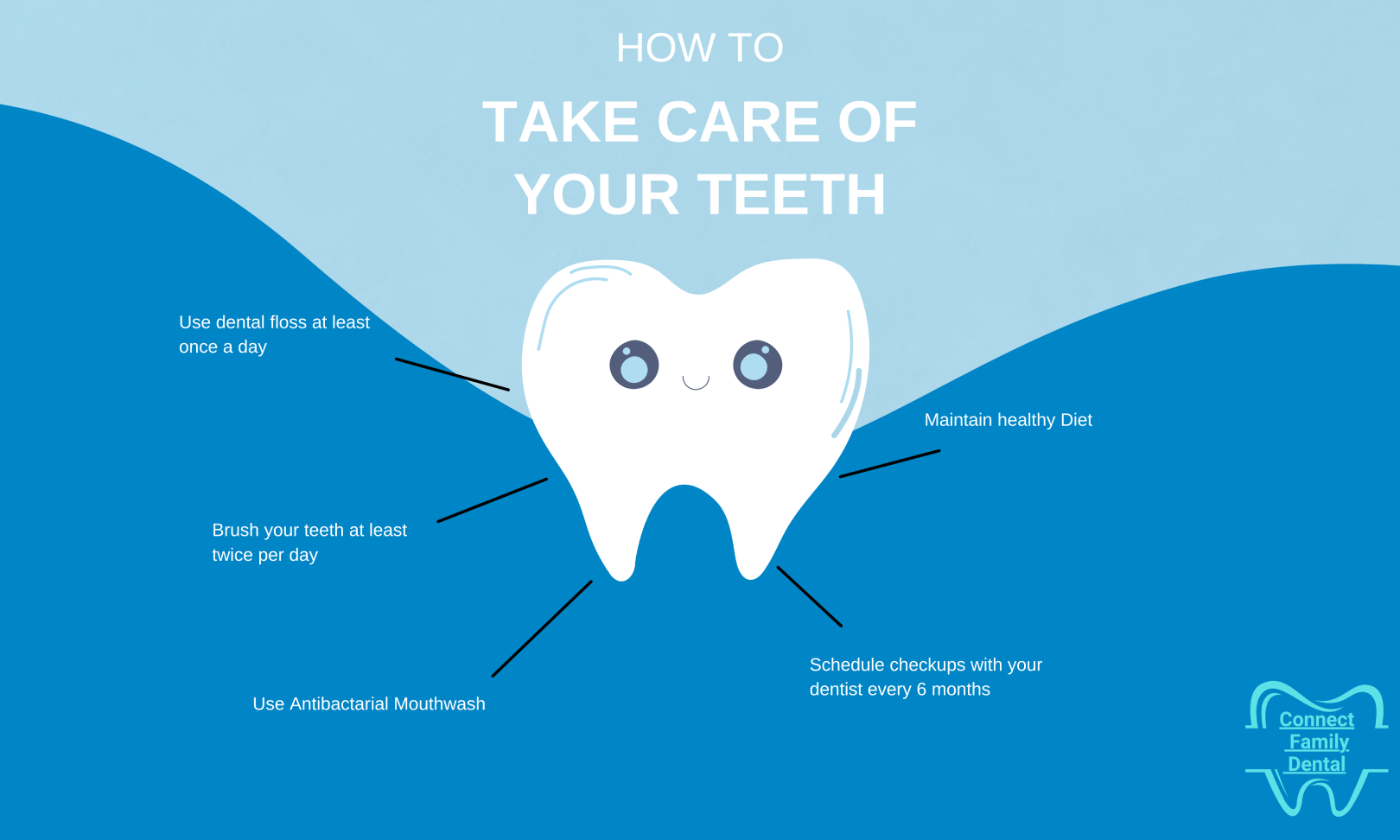
If you desire to have healthy, fresh, and confident teeth, here are five essential dentist-approved tips to maintain a healthy smile:
Brushing your teeth is the basic principle of oral hygiene. Although everyone brushes their teeth at least once a day, not everyone does it correctly or for the right amount of time.
Dentists recommend that everyone brush their teeth at least twice a day for at least 2 minutes using a fluoride toothpaste and a soft-bristle toothbrush, as fluoride helps build enamel and protect against cavities.
To get the most benefit from brushing:
• Hold your toothbrush at a 45-degree angle toward your gums
• Use gentle circular motions, not aggressive scrubbing
• Clean the outer, inner, and chewing surfaces of every tooth
• Don’t forget to brush your tongue, which harbors bacteria
• Brush for a full two minutes
Brushing too hard can actually wear down enamel and irritate gums, leading to sensitivity and gum recession.
Another key factor that many people fail to consider is changing the toothbrush. It should be changed every 3 months, or sooner if the bristles are worn.
A worn-out toothbrush cannot clean the mouth effectively, removing plaque that can cause tooth decay and gum disease.
Flossing is one of the most critical, yet most ignored, steps in your daily oral hygiene routine. Your toothbrush cannot clean the spaces between your teeth or the area just below your gumline, where plaque tends to form.
Without flossing, bacteria and food particles remain trapped between teeth, which can lead to:
• Cavities between teeth
• Gum inflammation
• Bad breath
• Gum disease
Follow these steps for effective flossing:
Use about 18 inches of dental floss
Wrap the ends around your fingers
Slide the floss gently between your teeth.
Curve it into a C-shape around each tooth
Move it up and down to remove plaque
Be careful not to snap the floss into your gums, as this can cause irritation or bleeding.
If traditional floss is difficult to use, there are other effective options:
• Water flossers
• Interdental brushes
• Floss picks
These tools can help remove plaque and debris and make flossing easier with braces, dental bridges, or tightly spaced teeth.
Mouthwash is an effective addition to your oral hygiene routine. Brushing and flossing can remove most of the plaque, while mouthwash can kill bacteria in hard-to-reach areas of the mouth.
Using an antibacterial mouthwash regularly can help:
• Reduce plaque buildup
• Prevent gum disease
• Freshen breath
• Strengthen enamel with fluoride
• Kill odor-causing bacteria
For the best results:
Brush your teeth first
Floss to remove trapped food particles
Rinse with mouthwash for 30–60 seconds.
Dentists recommend allowing at least 30 minutes before eating or drinking after using mouthwash so that the fluoride can provide extra protection.
Mouthwash can be incorporated into your daily routine, providing an extra defense against tooth decay and gum disease.
Diet plays a significant role in maintaining healthy teeth and gums. Your diet can help strengthen or weaken your teeth.
Certain nutrients are especially important for dental health:
Calcium – strengthens tooth enamel
Phosphorus – supports tooth repair
Vitamin D – helps absorb calcium
Vitamin C – supports healthy gums
Include these foods in your diet:
• Milk, cheese, and yogurt
• Leafy greens like spinach and kale
• Almonds and nuts
• Fish such as salmon or sardines
• Eggs
• Whole grains
Crunchy fruits and vegetables also benefit oral health. Foods like:
• Apples
• Carrots
• Celery
Stimulate saliva production and help naturally clean teeth by removing plaque and food particles.
Some foods can damage tooth enamel and increase cavity risk, including:
• Sugary snacks
• Sticky candies
• Soda and acidic beverages
• Frequent snacking
Sugar feeds harmful bacteria in your mouth. These harmful bacteria then produce acid that can get into your teeth, leading to cavities.
Cutting back on sugary snacks and increasing your water intake will help strengthen your teeth.
Even with proper home care, dental visits are necessary.
Dentists recommend scheduling an appointment every 6 months for cleaning and early detection of oral health problems.
During your dental visit, professionals can:
• Remove hardened plaque (tartar)
• Detect cavities early
• Identify gum disease
• Check for oral health abnormalities
• Provide personalized oral care advice
Professional cleanings remove buildup that cannot be eliminated with regular brushing and flossing alone.
Early detection of oral health problems is also important, as they are easier and cheaper to fix.
Regular visits can also help you maintain your oral health and prevent complications.
While some believe oral health affects only the teeth, studies have shown that oral hygiene affects overall health.
Some of the diseases that have been related to oral bacteria and inflammation include:
• Heart disease
• Diabetes complications
• Respiratory infections
• Pregnancy complications
Having healthy teeth and gums helps to improve overall health, self-esteem, and quality of life.
A healthy smile can also improve self-esteem, as it makes interactions easier.
However, having a healthy, beautiful smile does not require complex or expensive methods. All that is needed is to develop healthy and preventive habits.
By simply following these five easy steps, you can have healthy teeth and gums for the rest of your life:
✔ Brush properly twice a day
✔ Floss daily
✔ Use antibacterial mouthwash
✔ Eat a balanced, tooth-friendly diet
✔ Schedule regular dental checkups
At Connect Family Dental, we aim to help you achieve and maintain healthy smiles through preventive care, education, and treatment.
A healthy, beautiful smile can begin with small steps that can change your life.
Dentists recommend brushing twice daily for at least two minutes using fluoride toothpaste.
Yes. Flossing removes plaque and food particles between teeth where toothbrushes cannot reach.
No. Mouthwash is helpful but should be used in addition to brushing and flossing, not as a replacement.
Most dentists recommend checkups every six months for professional cleaning and early detection of dental issues.
Foods rich in calcium, phosphorus, and vitamins—such as dairy products, leafy greens, nuts, and fish—help strengthen teeth.

Gum disease is a common dental issue affecting many adults, but it’s preventable and treatable when detected early. At Connect Family Dental, we stress the importance of recognizing early warning signs and taking proactive steps to maintain healthy gums and protect your smile.
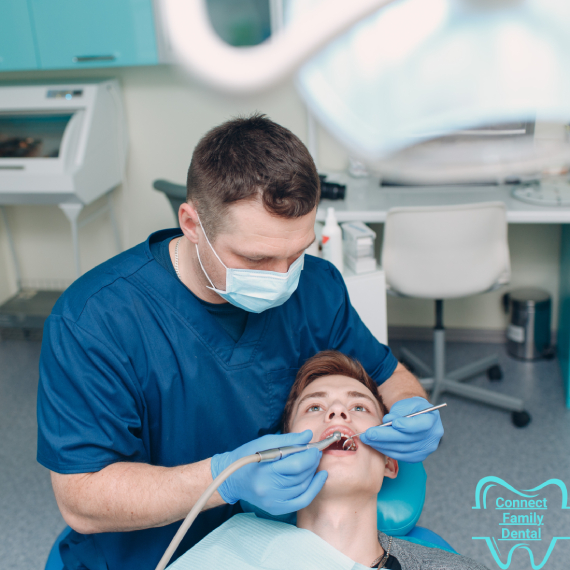
Your first visit to a dental clinic is key to building a healthy smile. At Connect Family Dental, we ensure your experience is comfortable, smooth, and informative, whether for a check-up or specific dental concern.

Straight teeth improve both your smile’s appearance and oral health. While metal braces were once the standard, Invisalign® offers a modern, discreet, and comfortable alternative for achieving a straighter smile. At Connect Family Dental, we’re proud to provide this effective treatment option.
